


 Español
 عربى
عربى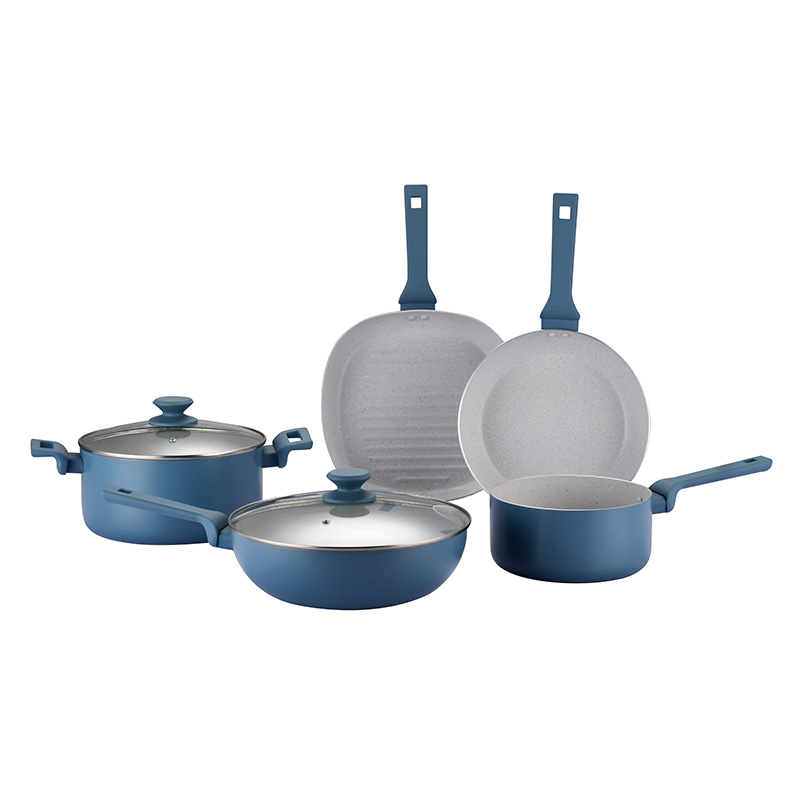
For years, pressure cookers were seen as old-fashioned kitchen tools—something your parents or grandparents used to cook beans, stews, or tough cuts of meat.
But in 2026, that perception is changing.
Consumers are cooking at home more often. Energy prices remain high in many markets. At the same time, people want meals that are healthier, faster, and easier to prepare. As a result, pressure cookers are making a comeback—not as outdated cookware, but as an efficient solution for modern kitchens.
For cookware brands and importers, this shift is creating new opportunities.
Faster Cooking Fits Modern Lifestyles
One of the biggest reasons behind the renewed popularity of pressure cookers is simple: they save time.
Compared with traditional cooking methods, pressure cookers can reduce cooking times significantly:
| Dish | Conventional Cooking | Pressure Cooker |
| Beef stew | 2–3 hours | 40–60 minutes |
| Beans | 1–2 hours | 20–30 minutes |
| Bone broth | 4–6 hours | 1–2 hours |
| Rice | 25 minutes | 8–12 minutes |
Busy households are looking for ways to spend less time in the kitchen without sacrificing home-cooked meals.
This trend is especially visible in:
- Latin America
- Southeast Asia
- Southern Europe
- Urban markets in North America
For these consumers, pressure cookers are no longer niche products—they are practical everyday cookware.
Rising Energy Costs Are Changing Cooking Habits
Cooking faster also means using less energy.
In many countries, electricity and gas prices remain higher than pre-2020 levels. Consumers are paying more attention to how much energy their appliances and cookware consume.
Pressure cookers:
- Reduce cooking time
- Retain heat efficiently
- Consume less electricity or gas
- Lower overall household cooking costs
For families that cook beans, soups, or meat regularly, the savings become meaningful over time.
As sustainability becomes a bigger purchasing factor, cookware that saves energy gains a competitive advantage.
Health-Conscious Consumers Are Rediscovering Pressure Cooking
Modern consumers are also changing what they eat.
They want:
- Less processed food
- More home cooking
- Better nutrient retention
- Reduced oil consumption
Pressure cooking aligns well with these preferences.
Because food cooks in a sealed environment:
- Nutrients are better preserved
- Less water is required
- Less oil is needed
- Flavors remain concentrated
This has helped pressure cookers attract a younger generation of consumers who previously viewed them as old-fashioned.
Safety Has Improved Dramatically
Older generations often remember pressure cookers as dangerous.
Stories about exploding lids or steam accidents still influence perceptions.
But today's pressure cookers are very different.
Modern manufacturers now incorporate:
- Multiple pressure release systems
- Automatic locking lids
- Pressure indicators
- Safety valves
- Over-pressure protection
These features make modern pressure cookers significantly safer and easier to use.
For brands sourcing pressure cookers, safety certifications and testing capabilities have become major factors when selecting manufacturing partners.
Aluminum vs Stainless Steel: Two Growing Segments
The pressure cooker market is not dominated by a single material.
Two major categories continue to grow:
Aluminum Pressure Cookers
Advantages:
- Lightweight
- Excellent heat conductivity
- Lower production cost
- Popular in Latin America, India, and Africa
Suitable for:
- Value-oriented brands
- Emerging markets
- Entry-level product lines
Stainless Steel Pressure Cookers
Advantages:
- Premium appearance
- Better corrosion resistance
- Long product life
- Compatible with induction cooktops
Suitable for:
- European and North American markets
- Premium cookware brands
- Consumers seeking durability
As cookware brands expand their product portfolios, many now offer both aluminum and stainless steel pressure cooker series to serve different market segments.
Pressure Cookers Are Becoming Part of a Complete Cookware Portfolio
Five years ago, many cookware brands focused mainly on:
- Frying pans
- Woks
- Saucepans
Today, more brands are expanding into:
- Pressure cookers
- Stainless steel cookware
- Ceramic cookware
- PFAS-free cookware
The goal is no longer to sell a single product.
It is to offer consumers a complete cooking solution.
For manufacturers, this means production capabilities are evolving as well. Factories that traditionally focused on aluminum non-stick cookware are increasingly investing in pressure cooker and stainless steel production lines to support customers as their brands grow.
Final Thoughts
The return of pressure cookers is not driven by nostalgia.
It is driven by real changes in consumer behavior:
- People want to cook faster.
- They want to save energy.
- They want healthier meals.
- They expect safer and more versatile cookware.
For cookware brands and importers, pressure cookers are no longer a niche category. They are becoming an important part of the modern kitchen.
And for manufacturers, the companies that can combine safety, material expertise, and flexible production capabilities will be well positioned to grow alongside this renewed demand.