


 Español
 عربى
عربى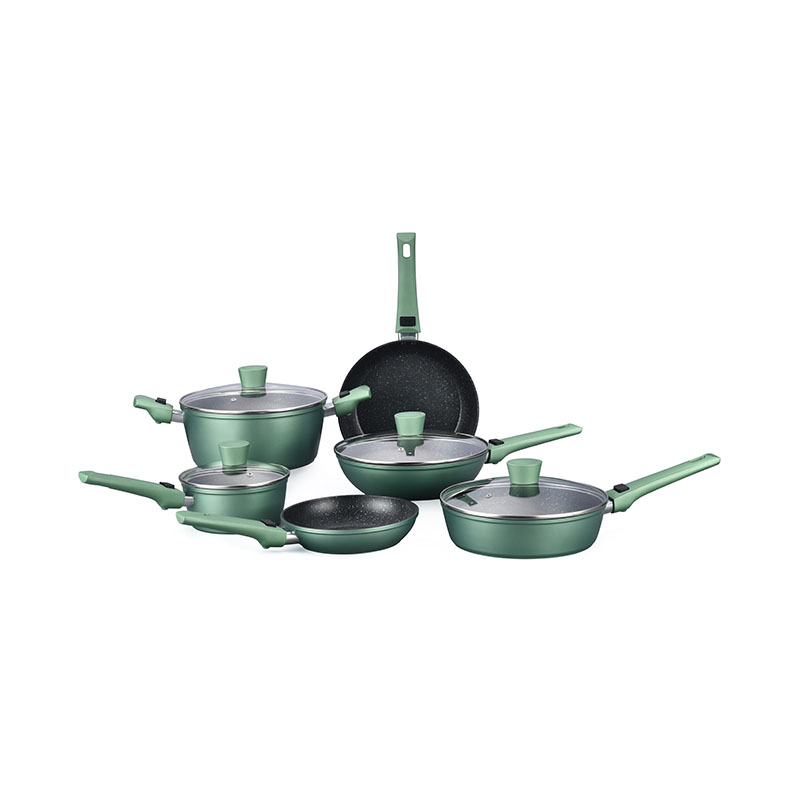
When you are choosing cookware, the material directly shapes your Cooking Performance. Aluminum and stainless steel are two of the most common options, but they work very differently on the stove. While both have their place, Aluminum Cookware offers clear advantages for most home kitchens. This article compares them in four practical areas: searing steaks, heat conduction, home use, and induction cooktop compatibility.
Heat Conduction: Which Heats Faster?
Aluminum Cookware heats up much faster than stainless steel. In fact, aluminum conducts heat two to three times quicker, and it spreads that heat evenly across the entire pan bottom. This means no more hot spots that burn your food in one corner while leaving another undercooked. Stainless steel alone heats slowly and unevenly—you often see companies adding an aluminum core to their stainless pans just to fix this problem. For fast, responsive Cooking Performance, especially when you need to bring a pan up to temperature quickly or cool it down just as fast, Aluminum Cookware is the clear winner. Whether you are sautéing vegetables or simmering a delicate sauce, aluminum gives you better control.
Searing Steaks: Which Type Is Better?
Many people assume stainless steel is better for searing, and it does have advantages. Stainless steel can reach a very high surface temperature and creates a nice brown crust on meat. However, Aluminum Cookware can also sear steaks effectively, especially if you choose thicker-gauge aluminum (3mm or more). The key is preheating properly. Once hot, Aluminum Cookware transfers that heat into the meat quickly and evenly, which actually helps develop a consistent crust across the whole steak. Plus, because aluminum responds faster to temperature changes, you can adjust your heat mid-sear without lag. For the average home cook who wants one pan that does everything well, Aluminum Cookware delivers solid searing Cooking Performance without the heavy weight or high cost of stainless steel.
Home Use: Which Is More Suitable?
For everyday home cooking, Aluminum Cookware is simply more practical. First, it is much lighter than stainless steel. Lifting a pot of soup, flipping a stir-fry, or carrying a pan from stove to sink is noticeably easier on your wrists and arms. Second, Aluminum Cookware costs significantly less, so you can buy a full set of high-quality aluminum pots and pans for the price of just two or three stainless steel pieces. Third, aluminum responds to heat instantly—turn the knob up, and the pan gets hotter right away; turn it down, and it cools off. This responsiveness improves Cooking Performance for delicate foods like eggs, fish, or pancakes. Some people worry about aluminum reacting with acidic foods like tomato sauce. That is a valid point, but modern Aluminum Cookware solves this completely with non-stick coatings or anodized surfaces. Anodized aluminum is hard, non-reactive, and easy to clean. For daily use, from boiling pasta to frying chicken, Aluminum Cookware is more comfortable, more affordable, and more forgiving than heavy stainless steel.
Induction Cooktops: Which Type Is More Suitable?
This is the one area where stainless steel has a traditional advantage. Pure Aluminum Cookware does not work on induction cooktops because aluminum is not magnetic. However, this is not a reason to avoid aluminum. Many manufacturers now produce induction-compatible Aluminum Cookware with a bonded magnetic stainless steel disk on the bottom. These hybrid pans give you the fast heat and light weight of aluminum with full induction functionality. If you have an induction stove, simply look for aluminum pans marked "induction-ready." They work perfectly. For gas, electric, and ceramic glass stovetops, standard Aluminum Cookware works beautifully without any special base. So unless you are strictly an induction user who refuses to buy hybrid pans, aluminum remains the better choice for overall Cooking Performance.
|
Factor |
Aluminum Cookware |
Stainless Steel |
|
Heat speed and evenness |
Fast and even |
Slow and uneven alone |
|
Weight |
Light, easy to handle |
Heavy, tiring over time |
|
Price |
Affordable |
Expensive |
|
Searing steaks |
Good if thick enough |
Very good |
|
Daily home cooking |
Very suitable |
Less practical |
|
Induction ready |
Yes (with magnetic base) |
Usually yes |
When you look at the full picture of Cooking Performance, Aluminum Cookware comes out ahead for most home cooks. It heats faster, costs less, weighs less, and responds to your adjustments immediately. Stainless steel has its strengths—durability and pure induction compatibility—but those come with higher prices and heavier weight. As a manufacturer, we produce high-quality Aluminum Cookware designed for real home kitchens, including anodized and non-stick options that handle acidic foods safely. We also make induction-compatible aluminum lines. Choose Aluminum Cookware for a smoother, faster, more enjoyable cooking experience every day.