


 Español
 عربى
عربى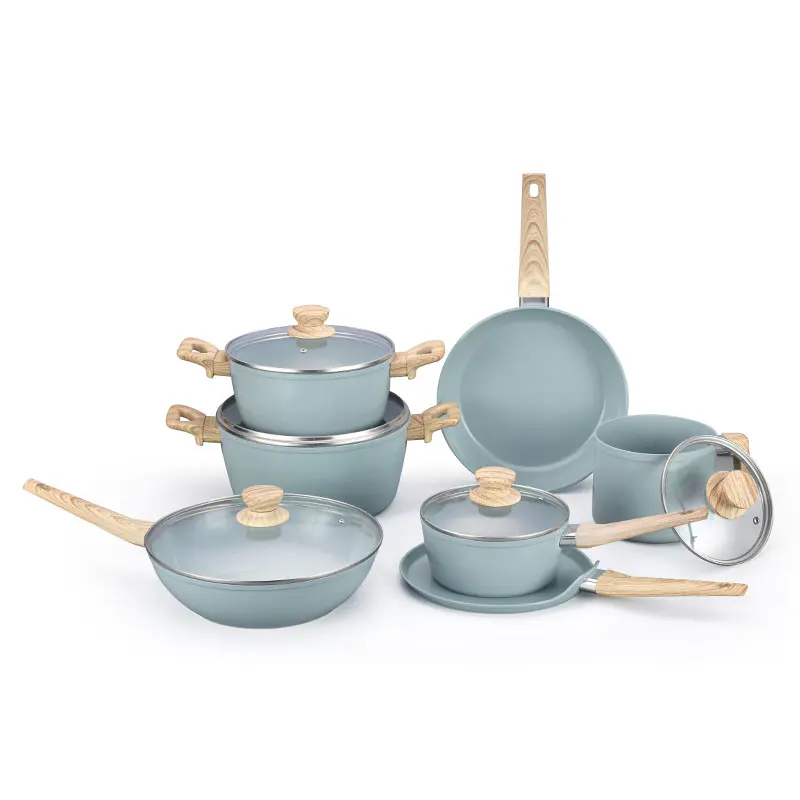
Five years ago, a pan was just a pan. Price decided everything. The shelf was stacked with the cheapest options and people grabbed whatever cost the least.
That buyer is changing. Walk through a kitchenware section in Mexico City or Bogota right now and watch what happens. Someone picks up a frying pan. Runs their thumb across the inside. Checks the weight. Flips it over to read whatever is printed on the bottom. They didn't do any of this before. The Latin America cookware market is in the middle of a shift. Cookware market trends 2026 back up what store owners already see: the customer who bought the cheapest thing last time doesn't want to make the same choice again.
Pans That Survive Past the First Scratch
Cheap pans warp on gas stoves. The metal bends. The bottom doesn't sit flat anymore. Oil runs to one side. The whole thing spins when you set it on the burner grate. People who cook every day get sick of this fast.
Now they pick up a pan and feel the weight before buying. They look at where the handle meets the body. They've owned pans where the rivets came loose and the handle wobbled for months before finally snapping. A non-stick cookware manufacturer that uses thicker aluminum stock and attaches handles properly gets these buyers on the next purchase. Three bad pans thrown out in four years cost more than one decent pan that still works in year five. Math like that sinks in after a while.
Retailers who only sell the bottom tier leave their customers no way out of the loop. Stick one or two mid-range options on the shelf and suddenly there's an upgrade path.
Here is what longer-life pans bring to the shelf:
- Heavier aluminum that doesn't bend under heat
- Handles that stay put, attached with rivets or welds that hold
- A pan that gets replaced after years, not months
- Customers who come back for the next piece instead of a warranty claim
What That Coating Does a Year Later
A new pan slides eggs around like nothing. Nobody questions a coating on day one. The trouble starts way later.
Single-layer coating on aluminum that wasn't prepped properly breaks down without announcing itself. Food catches a little more each week. The cook pours in extra oil without thinking about it. One morning the egg sticks hard and the whole pan goes into the garbage. The person doesn't blame the coating process or the substrate prep. They just buy a different brand next time.
A non-stick cookware manufacturer running multi-layer coating lines with proper surface texturing underneath builds pans that keep performing past that first year. Ceramic coatings have grabbed shelf space in the non-stick cookware market because people have real worries about PTFE. The ceramic buyer believes in the product. They also crank the heat way past what ceramic can handle, which kills it faster than traditional non-stick. Companies that tell buyers straight up about heat limits and ceramic lifespan keep the customer. Companies that promise ceramic lasts forever get the pan shipped back.
Latin American home cooking beats up coatings in very specific ways. Tomato sauces that cook down for hours. Oil heated until it shimmers. Metal spatulas and spoons that nobody in a busy home kitchen will ever stop using. A pan that handles two years of sofrito and fried plantains has done what it was supposed to do.
The Look That Keeps It on the Stove
Kitchens in most Latin American homes are not hidden behind a door. The pan hangs on a hook or sits right on the burner. Somebody sees it every time they walk through.
Color matters here. So does finish. Matte black bodies. Cream-colored ceramic. Wood-tone handles that don't fight with the cabinets. These aren't premium European brand touches anymore. Regular shoppers notice them. A non-stick cookware manufacturer that spends all its energy on the inside coating and ignores how the outside looks makes a pan that cooks fine and looks wrecked after a month above a gas flame.
Silicone-based exterior coatings keep burner staining under control. The cheap pan that goes yellow-brown in a few weeks broadcasts its own quality level. People who put money into their kitchen want the cookware to make sense in the room. Cookware trends across the region show basic aesthetics expectations creeping upward. Not luxury. Just not ugly.
What the Back Label Says
Flipping a pan over to read the label wasn't a thing most people did. Now it happens in the aisle.
Shoppers look for the PFOA statement. They scan for anything about heavy metals. They want to know what exactly is in the coating. A non-stick cookware manufacturer that prints actual material details and has lab results available wins the person who checks. Ceramic sells on a health idea. Right or wrong about the science, the consumer who switches to ceramic believes they picked the safer option. Brands that publish coating composition data and give clear temperature limits build confidence. Brands that stamp "natural" or "eco-friendly" on the box with nothing behind it create doubt that rubs off on everything else they sell.
The Experience After the Purchase
Somebody buys a new pan. Takes it home. Cooks something. Snaps a picture. That picture does more work than any ad campaign.
Latin American consumers share purchases inside their circles constantly. A pan that looks sharp coming out of the packaging gets shown off. The first meal made in it gets posted. That content is free and people trust it because it comes from someone they actually know. A non-stick cookware manufacturer that ships product in packaging that feels like it was designed, not just thrown together, gives the customer that opening moment. A pan clattering around loose in a plain brown box does the opposite before the food even hits the pan.
The Latin America cookware market hasn't given up on affordable stuff. Nobody expects every pan to cost a fortune. But people are done with pans that fail the same way on the same timeline. They check the weight now. Read what's on the back. Remember exactly what broke on the last one and shop around it. A non-stick cookware manufacturer that nails durability, coating life, exterior finish, material transparency, and what happens after the box opens keeps the customer who has already thrown enough cheap pans into the trash. Cookware market trends 2026 aren't complicated. People who learned what cheap really costs the hard way don't want to pay that price again. Cookware trends across Latin America keep pointing the same direction: better stuff for people who finally noticed the pattern.