

 Español
 عربى
عربىWhen people talk about essential kitchen cookware, non-stick pans often top the list. Despite ongoing debates about them, it's undeniable that non-stick pans remain a first choice in many households. For years, they've managed to hold their ground and consistently attract consumers. Why is that?
The truth is, non-stick pans have endured not because they are "flawless," but because in real-life home cooking scenarios, they still strike the best balance between efficiency, cost, and experience.
1. Efficiency First: Save Time, Lower the Cooking Barrier
One of the biggest advantages of non-stick pans is how they significantly boost cooking efficiency.
Cook with Less Oil, Finish Faster
Compared to traditional cast iron or stainless steel pans, the coating on non-stick pans effectively prevents food from sticking. This means you don't need to use large amounts of cooking oil, and you won't have to worry about ingredients burning onto the pan. Whether you're frying eggs, searing fish, or stir-frying rice, everything comes off smoothly—no more constant flipping or scraping.
Easy Cleaning, Less Hassle
For busy professionals or multitasking homemakers, post-meal cleanup is often a chore. Thanks to their smooth surface, non-stick pans don't trap grease or food residue easily. Most of the time, a soft cloth and some warm water are all you need to wipe them clean. This convenience makes cooking feel less like a burden.
Beginner-Friendly, Fewer Mistakes
For those new to cooking, mastering heat control and technique takes time. The user-friendly nature of non-stick pans lowers the learning curve, allowing even inexperienced cooks to prepare decent-looking meals quickly, boosting confidence in the kitchen.
2. Balanced Cost: Affordable and Reasonably Durable
Some argue that non-stick pans "don't last" and need frequent replacement. However, when we consider the overall cost—including purchase price, maintenance, and time saved—they still offer great value.
|
Cookware Type |
Average Purchase Cost | Maintenance Cost | Expected Lifespan | Best For |
|
Non-Stick Pan |
Medium | Low (no special care needed) | 1–3 years | Daily frying, sautéing, low-oil cooking |
|
Cast Iron Pan |
Medium to High | High (requires seasoning, rust prevention) | 10+ years | Braising, high-heat searing |
| Stainless Steel Pan | Medium | Medium (requires proper cleaning) | 5+ years | Versatile cooking methods |
As shown in the table, while non-stick pans may not last as long as cast iron in terms of absolute lifespan, their lower purchase and maintenance costs, combined with their suitability for modern cooking styles, make them a practical choice. For most households, replacing a non-stick pan every one to three years isn't a financial burden—it's a way to maintain a consistently good cooking experience.
3. Enhanced Experience: Lightweight, Safe, and Stylish
Beyond efficiency and cost, non-stick pans also excel in user experience.
Lightweight and Easy to Handle
Many modern non-stick pans are made from aluminum alloys, making them much lighter than traditional iron pans. Even those with less arm strength—such as older adults or smaller individuals—can lift and maneuver them with ease, which is especially helpful during longer cooking sessions.
Safer Cooking, Less Smoke
Cooking with less oil isn't just healthier—it also reduces smoke significantly. This is a major plus for homes with open kitchens or limited ventilation. Many brands also include heat-resistant handles and glass lids, adding an extra layer of safety.
Modern Designs Fit Today's Kitchens
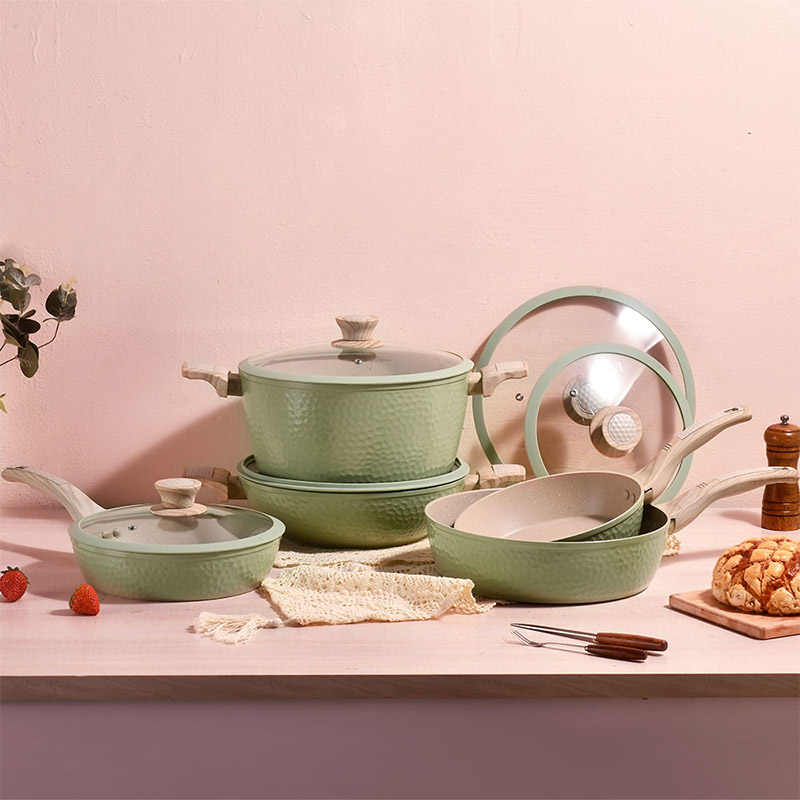
Today's non-stick pans come in a wide range of colors and styles that complement contemporary kitchen aesthetics. A good-looking pan can even become a stylish accent piece, inspiring more time spent cooking.
4. Addressing Concerns: Improved Technology and Proper Use
Of course, non-stick pans also face criticism, mainly around coating safety and durability. But thanks to technological advances and better user awareness, these issues have been largely addressed.
Coating Safety: Leading brands now use coating materials that meet national and international safety standards. As long as you avoid overheating an empty pan or using sharp metal utensils, they are safe at normal cooking temperatures.
Increased Durability: Many manufacturers have extended the lifespan of non-stick pans by improving coating technology (e.g., marble-reinforced or ceramic coatings) and using thicker base materials.
Quick Tips for Proper Use:
- Use silicone, wooden, or designated nylon utensils to avoid scratching the coating.
- Cook over low to medium heat, and avoid leaving an empty pan on high heat.
- Let the pan cool before washing, and use a soft cloth—avoid sudden temperature changes.
- Regularly check the coating for wear and replace the pan if it shows significant peeling.
5. The Real-Life Solution
So, back to our initial question: Why do non-stick pans continue to dominate the market? The answer lies in the small, daily moments of home life.
In real, sometimes messy scenarios, people need a pan that's quick to use, easy to clean, and affordable. Non-stick pans meet those needs. They aren't without flaws, nor are they a "once-and-for-all" solution. But through practicality, adaptability, and ongoing improvements, they've become the "just right" choice for the modern home kitchen. That's why they've stood the test of time and remain at the heart of the cookware market.
Looking ahead, as materials science and manufacturing processes evolve, we can expect non-stick pans to continue improving—balancing safety, durability, and convenience even better. But no matter how they change, their core purpose will remain: to serve the real needs of everyday cooking. And perhaps, that's the real secret to their lasting appeal.