


 Español
 عربى
عربى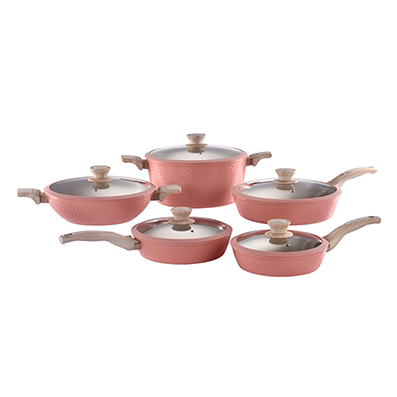
In recent years, the kitchen cookware market in South America has grown quickly. Many local private label brands have achieved good market response by closely studying regional cooking habits and everyday kitchen needs. As a Chinese non-stick cookware manufacturer and exporter with long-term experience in South America, we are familiar with what local consumers expect from cookware products. In this market, practicality matters, but equal attention is given to complete cookware sets and reasonable pricing.
Market Characteristics of Kitchen Cookware in South America
South American kitchen culture reflects a mix of indigenous traditions, European influences, and modern living habits. Frying, stewing, and boiling are common cooking methods, so cookware needs to be both flexible and durable. Many families are large, and cooking styles vary widely, from light frying to long hours of simmering. As a result, cookware is expected to support multiple uses while remaining durable over time.
Local private label brands in countries such as Brazil, Argentina, and Chile usually design their products around regional food culture, placing emphasis on pot depth, diameter, and handle comfort. Cookware sets are not only functional tools but also a visible part of the family kitchen, making appearance just as important as performance.
Common Cookware Size Guide
Private label cookware in South America is typically measured in liters (L) or centimeters (cm). Below are some widely used specifications:
| Cookware Type | Common Sizes (Diameter / Capacity) | Main Uses |
| Frying Pan | 24 cm, 28 cm, 30 cm | Frying meat, pancakes, stir-frying |
| Casserole / Stock Pot | 20 cm (4 L), 24 cm (6 L), 28 cm (10 L) | Soups, beans, sauces |
| Deep Wok Pan | 26 cm, 30 cm | Stir-frying rice, vegetables, meat |
| Milk Saucepan | 16 cm (2 L), 18 cm (3 L) | Heating milk, sauces, single meals |
South American families usually prefer cookware that can be used in many ways. For this reason, mid-sized pieces between 24 and 28 cm are especially popular. When buying cookware sets, many shoppers look first at whether these sizes are included. Non-stick cookware is also widely favored because it is easy to clean and requires less oil, which fits well with growing health awareness.
Analysis of Popular Cookware Set Configurations
Private label cookware sets typically include three to five core pieces, paired with one or two lids. Universal lid designs are often used to reduce costs. A typical entry-level set may include:
- 24 cm non-stick frying pan: the most frequently used item for daily cooking
- 20 cm casserole with lid: suitable for soups and stews for 2–4 people
- 16 cm milk saucepan: for heating sauces or beverages
- Optional additions: a 28 cm shallow steamer or a 26 cm deep wok pan
Material and Design Trends
South American buyers care a lot about cookware materials. Non-stick cookware remains popular because it is easy to clean. At the same time, interest in ceramic coatings, cast iron, and stainless steel is growing. Many private label brands stand out by mixing different materials in one set, such as non-stick frying pans paired with sturdy stainless steel stock pots.
Handle design also matches local habits. Hanging holes are common, as they help save space in smaller kitchens. When it comes to color, black and silver remain popular, but bright tones like yellow and blue are also well accepted. These colors reflect the lively spirit of South American culture.
Purchasing and Usage Recommendations
When choosing kitchen cookware, the points below can be useful:
- Select sizes based on family size: For households with 2–3 people, a 24 cm frying pan with a 20 cm stock pot is practical. For families of four or more, a 28 cm frying pan and a 24 cm stock pot are more suitable.
- Check stove compatibility: Make sure the cookware works with gas stoves. If induction cooking is used, confirm it is compatible.
- Cookware sets or single items: For a new kitchen, sets usually offer better value. For replacements or upgrades, buying individual pieces is often more convenient.
- Care and maintenance: In humid regions, rust-resistant materials are a better choice, and cookware should be kept dry. Non-stick pans should be used with non-metal utensils to help them last longer.
As more South American families focus on the cooking experience, cookware is becoming more specialized and visually appealing. From slow-cooked traditional dishes to quick everyday frying, there are options to suit different cooking habits.