


 Español
 عربى
عربى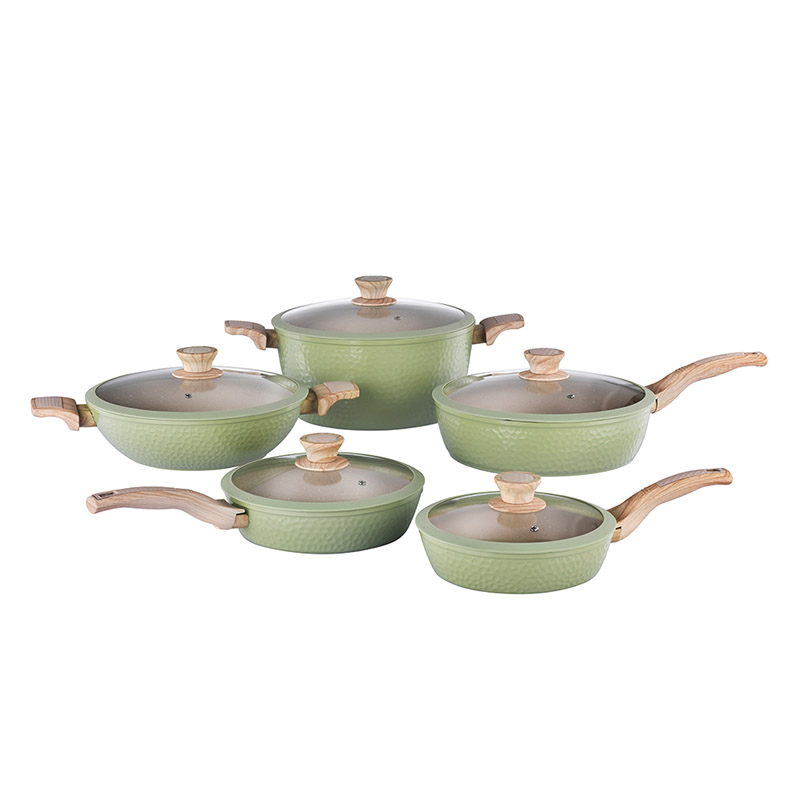
Non-stick cookware is a high-demand category across Latin America, but each country has its own rules for product safety, materials, labeling, and testing. For manufacturers and importers, understanding these requirements early helps avoid delays at customs, unexpected testing costs, or re-labeling issues. The following guide summarizes the essential compliance needs for Mexico, Brazil, Argentina, and Colombia, with practical explanations and a clear comparison format suitable for buyers and partners.
1. Why Compliance Matters in Latin America
Latin American markets place strong emphasis on consumer safety, especially for products in direct contact with food. Non-stick cookware often involves coatings such as PTFE or ceramic, aluminum or stainless-steel bases, silicone handles, and heat-resistant components. Because of this, authorities require:
- Verified food-contact safety
- Accurate material declarations
- Proper origin and importer identification
- Electrical safety checks (for multi-purpose or induction-related cookware)
- Stability, heat resistance, and performance evaluations
Even though the four countries share similar goals, their certification paths differ.
2. Overview Comparison Table
Below is a quick snapshot of the key requirements. Details for each country follow afterward.
|
Country |
Certification Needed | Food-Contact Requirement | Labeling Rules | Additional Notes |
|
Mexico |
NOM Certification (for applicable cookware categories) | Mandatory food-contact safety per NOM standards | Spanish labels, importer details, care instructions | Random customs inspection is common |
|
Brazil |
INMETRO (when applicable), ANVISA for food-contact | Strong focus on ANVISA approval for coatings | Portuguese labels, manufacturer/importer registration | Stricter review on PTFE/PFOA history |
|
Argentina |
IRAM standards and ANMAT for food-contact | Chemical compliance required | Spanish labels, technical details | Origin marking must be clear |
|
ColombiaI |
CONTEC standards, INVIMA for food-contact | Verification of coating safety | Spanish labels, importer NIT number | Customs may require test reports anytime |
3. Mexico
3.1 Applicable Authorities
- NOM (Normas Oficiales Mexicanas) – technical regulations
- COFEPRIS – food safety oversight
- Customs (SAT) – import control
3.2 Key Requirements
1. Food-contact compliance:
Non-stick cookware must meet Mexico's food-grade material requirements, ensuring no harmful migration from coatings or metal substrates.
2. Labeling:
Labels must be in Spanish and include:
- Product description
- Material composition
- Country of origin
- Importer name, address, and RFC
- Safety and care instructions
3.3 Practical Notes
- Customs officers frequently check labels and packaging.
- Incorrect importer information is a common reason for shipment delays.
- If your model line includes multi-layer or special-coating pans, additional documentation might be required.
4. Brazil
4.1 Applicable Authorities
- ANVISA (Brazilian Health Regulatory Agency) – food-contact and chemical safety
- INMETRO – safety certification for regulated categories
- MAPA, Receita Federal (customs)
4.2 LI(Licença de Importação)-Import License
Ll is one of the most important steps in the Brazilian import process and functions as the official approval for importing a specific shipment.
Characteristics include:
- Must be applied in advance through the SISCOMEX system
- Standard processing time is 7-15days
- INMETRO documents may be required for approval
- No shipment can be cleared with out an approved LI
4.3 Key Requirements
1. Food-contact material testing:
ANVISA places strong emphasis on verifying that PTFE coatings and metal substrates comply with Brazilian migration limits.
2. Labeling in Portuguese:
Requirements include:
- Product name
- Manufacturer and importer
- Country of origin
- Material disclosure
- Heating limitations (if any)
3. Registration:
Some products require importer registration with ANVISA. In addition, if the cookware includes plastic components, ANVISA may require specific documentation for polymers.
4.4 Practical Notes
- Brazil is sensitive regarding PFOA restrictions and polymer safety history.
- INMETRO applies only to certain cookware types, but importers often request voluntary compliance to increase market trust.
- Official inspections can be time-consuming if labeling is unclear.
5. Argentina
5.1 Applicable Authorities
- IRAM (Argentine Institute of Standardization)
- ANMAT (National Administration of Drugs, Food and Medical Technology)
5.2 Key Requirements
1. Food-contact validation:
ANMAT ensures that cookware coatings are chemically safe. Migration testing is important for aluminum pans and ceramic coatings.
2. Labeling:
- Labels must be in Spanish and include:
- Material composition
- Manufacturer/importer details
- Country of origin
- Care and cleaning instructions
- Capacity or size (when relevant)
3. Certification:
While cookware is not strictly listed under mandatory IRAM electrical standards (unless electrically heated), performance and durability compliance may be reviewed under general product safety laws.
5.3 Practical Notes
- Argentina enforces strict origin marking rules.
- Import licensing procedures may sometimes be required depending on product category and customs policies during that year.
6. Colombia
6.1 Applicable Authorities
- ICONTEC (Colombian Institute of Technical Standards)
- INVIMA (National Food and Drug Surveillance Institute)
- DIAN (customs)
6.2 Key Requirements
1. Food-contact compliance:
Non-stick coatings and bases must pass Colombian food-safety criteria. INVIMA may require documentation of coating composition and testing methods.
2.Labeling:
- Requirements include:
- Spanish labeling
- Importer NIT number
- Manufacturer details
- Origin
- Material information
- Usage and maintenance advice
3.Testing & Documentation:
While cookware may not need mandatory ICONTEC certification, Colombian authorities often ask for test reports during customs checks as supporting evidence.
6.3 Practical Notes
- Colombia sometimes checks random shipments for coating composition.
- Providing test reports in advance helps your importer clear goods faster.
7. Practical Tips for Importers and Buyers
Exporters can avoid many issues by keeping updated testing records, including coating migration tests, handle durability reports, and metal composition details. Creating country-specific packaging is also helpful, as label errors are one of the most common causes of customs delays.
Transparency with material composition builds trust with distributors and authorities, especially in markets sensitive to chemical safety. Finally, using the correct HS code and ensuring all documents match the shipment details greatly reduces inspection risks.
8. Ensuring Smooth Entry Into Latin American Markets
Selling non-stick cookware in Mexico, Brazil, Argentina, and Colombia is promising, but compliance preparation is essential. Understanding each country's expectations—from ANVISA in Brazil to INVIMA in Colombia—helps manufacturers avoid delays and maintain stable long-term partnerships. With clear labels, proper test reports, and open communication between exporters and importers, the process becomes more predictable and efficient.